

ML641072728
Collaboratore
Data
Località
- Età e sesso
- Adulto, sesso sconosciuto - 1
Dettagli dell'osservazione
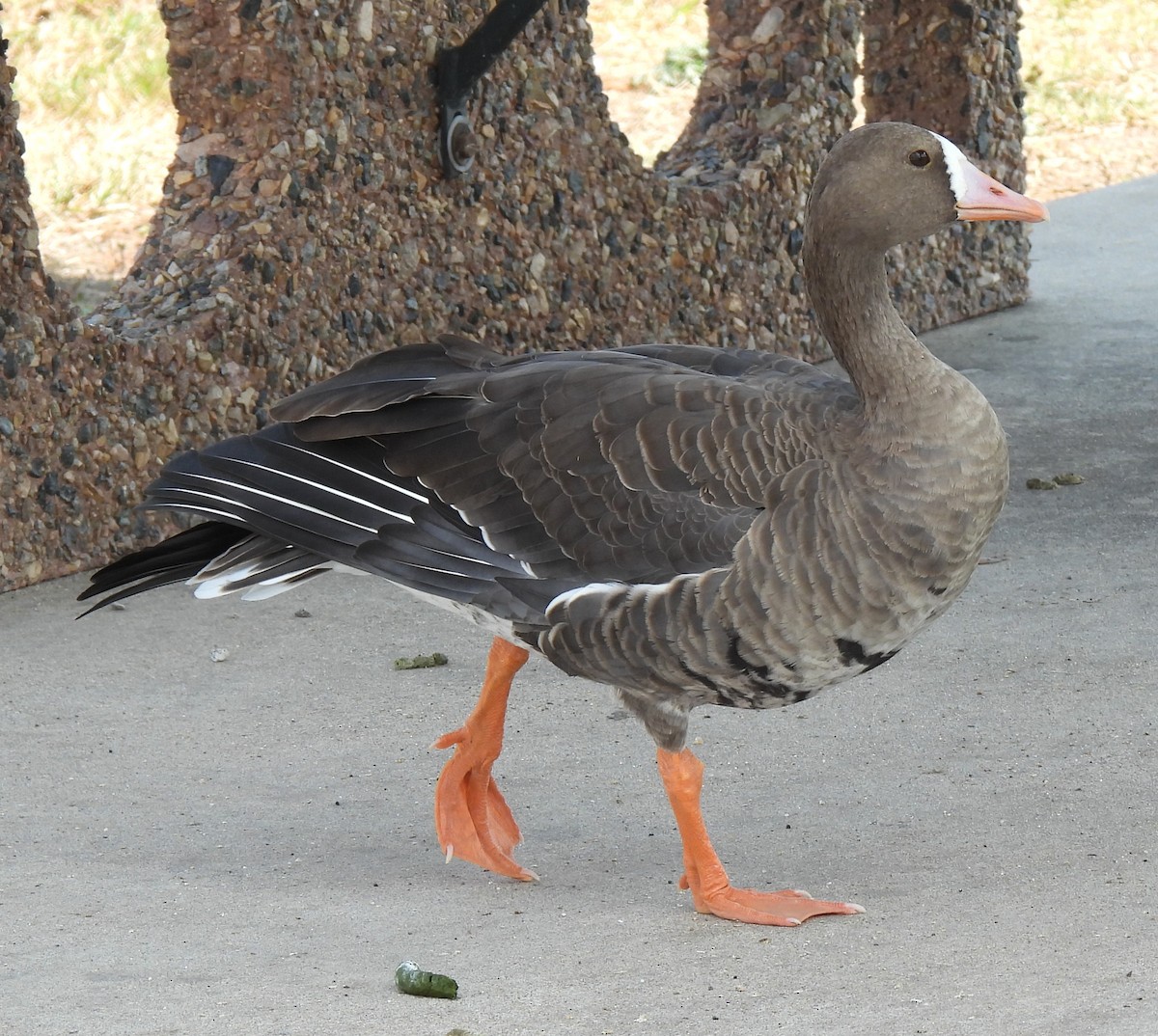
Researching the back story on this bird was interesting. This species was first reported in eBird for this hotspot location on 1/27/15. It was reported four other times in 2015, all during the expected timeframe for this species to be in Texas, approximately October 9 – March 26. The sightings occurred between 2/7/15 – 3/2/15. It was reported once in 2017 (12/2/17) and twice in 2020 (9/27/20 and 11/21/20). The species was reported on ten days in 2021, the first being on 9/12/21. On 9/17/21, Bosler reported it and noted, “now-resident ad.” On 9/29/21, Muschalek reported it and noted, “NOT WILD: bird has been park resident for SIX YEARS!!!”. Of the remaining 2021 sightings, all but three were during the expected timeframe for this species. The species was reported four times during 2022, all within the expected timeframe. In 2023, the species was reported on 32 days, with nine being within the expected timeframe. Twenty-three of those days were outside the expected window, 3/28/23 – 10/5/23. On 2/9/23, four individuals were reported. In 2024, the species was also reported on 32 days. Seventeen of those days were outside the expected window, 4/10/24 – 9/6/24. As of 8/30/25, the species has been reported on 30 days in 2025, with 17 of those days being outside the expected timeframe (3/27/25 – 8/26/25). AI reports that this species has not been domesticated. AllAboutBirds.org reports, “Greater White-fronted Goose pairs stay together for years and migrate together, along with their offspring. White-fronted Goose family bonds can last longer than in most geese, and some young stay with their parents through the next breeding season. Parent and sibling associations may continue throughout their lives.” As the data above shows, the eBird data doesn’t corroborate the claim that this bird has been present in the park since 2015. Starting in 2023, the eBird data does support the bird being present regularly throughout the year. The 2015 coverage of the park was spotty, but the park was birded fairly regularly during 2016 to 2020 and birded very well during 2021 to present. So, spotty coverage of the park doesn’t seem to explain the discrepancy. Our short encounter with the bird supported other’s claims that the bird was regularly in the company of Egyptian Geese, and it seemed well acclimated to people, not moving from its place under a picnic shelter as we stopped nearby. Given this behavior, I think it is safe to assume that this individual is the same individual that has been sighted in the park throughout the years. But, the true back story of how this individual became a loner and decided to make Cuero Municipal Park its year-round home remains a mystery.
Informazioni tecniche
- Modello
- COOLPIX P950
- ISO
- 100
- Lunghezza focale
- 53.5 mm
- Flash
- Flash did not fire
- f-stop
- f/5.0
- Velocità otturaore
- 1/200 sec
- Dimensioni
- 2699 pixels x 2415 pixels
- Dimensione originale file
- 1.35 MB